

Trusted Maryland
Bankruptcy Attorney
Chapter 7 & Chapter 13 Representation for Consumers in Montgomery & Prince George’s County. Bankruptcy Lawyer.
What We Do ?
Law Office of Albert Coto
Attorney Albert Coto focuses his practice on helping individuals navigate financial difficulties through consumer bankruptcy. He represents clients in Chapter 7 and Chapter 13 bankruptcy cases and has extensive experience working with individuals facing overwhelming debt.
His experience also includes loan modification negotiations and payment agreements with creditors. Serving clients throughout Montgomery County, Prince George’s County, and surrounding Maryland communities.
Call to ask any Question: (240) 233-6816

Services
Legal Solutions for Debt
and Financial Challenges
We protect our clients against different types of debt collections by their creditors, and we help them to obtain solutions to different situations.
Our Team
Why Hire a Bankruptcy Lawyer Rockville MD?
In addition, Albert Coto has experience in loan modification negotiations and payment agreements with creditors.
Albert Coto is admitted to practice law in the following jurisdictions:
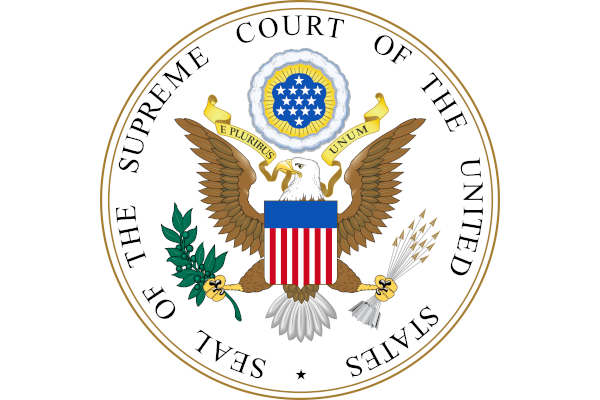
The United States Court of the District of Maryland and District of Columbia
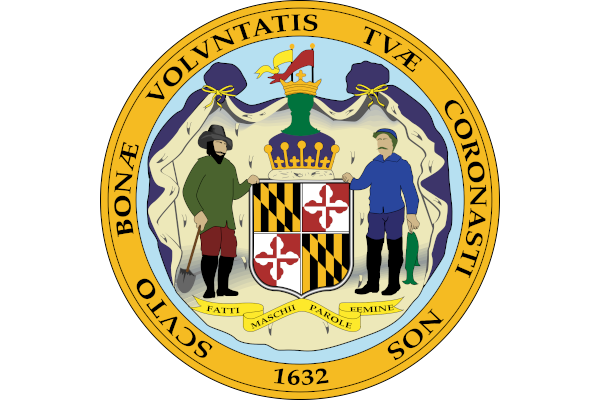
State of Maryland
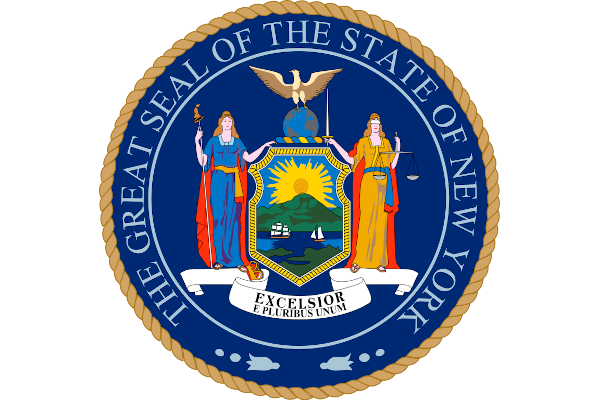
State of New York

Costa Rica
FAQ
Straight Answers to Common Questions
The idea behind bankruptcy laws is to provide a tool to those debtors who due to their economic situation do not have the money to pay their debts and give them a new opportunity (“fresh start”).
There are generally two types of bankruptcy that help protect people who are experiencing financial situations that do not allow them to pay their creditors: Chapter 7 and Chapter 13 of the Bankruptcy Code, explained later.
Then there are the Chapter 11 processes that generally apply to people who have assets above the debt limits established for Chapter 13 and want to protect those assets against collections from their creditors.
Generally, filing a bankruptcy petition sets in motion a legal mechanism called an “automatic stay”. This mechanism stops all legal collection processes against the person and also forces creditors to stop all contact with the person who declares bankruptcy. Because of this, property eviction or eviction processes, property auctions, vehicle repossessions, wage garnishments, and bank accounts are stopped.
The goal of Chapter 7, also called direct bankruptcy or liquidation, is to give the debtor a fresh start. Chapter 7 seeks to eliminate all those dischargeable debts, which are the majority of debts. In these types of cases, the court appoints an administrator or trustee to determine if there are nonexempt assets that can be sold or liquidated to pay creditors. However, in most of these cases all or nearly all of the debtors’ assets can be exempted, and generally the debtors end up keeping all of their assets.
Contact Us
Feel Free to Ask Anything



We are a debt relief agency. We help people file for bankruptcy relief under the Bankruptcy Code.


