


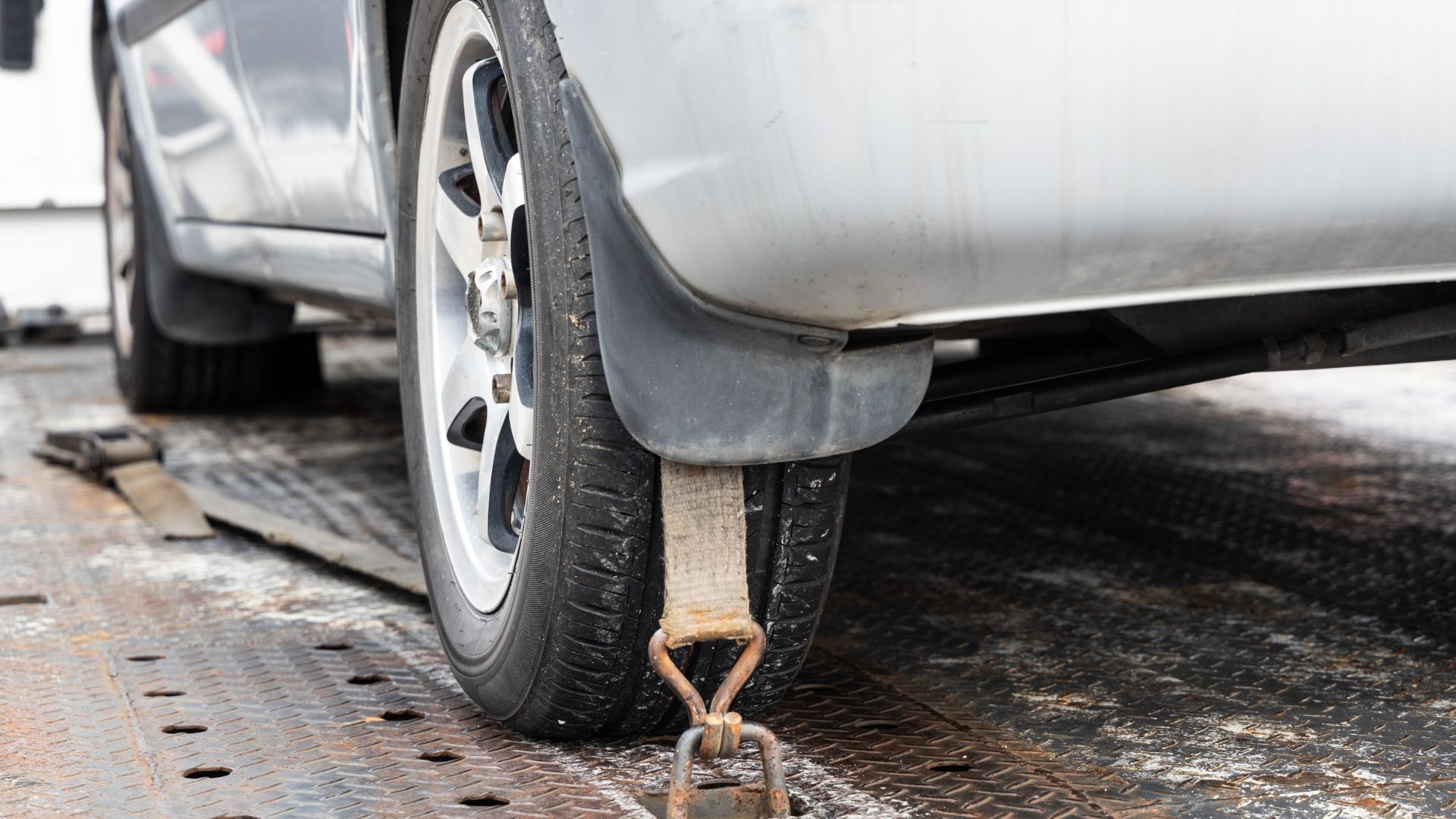
Falling behind on a vehicle loan can quickly threaten more than the car itself. Losing reliable transportation may affect a person’s ability to work, take children to school, attend medical appointments, or handle ordinary family responsibilities.
Bankruptcy may temporarily stop a vehicle repossession that has not yet occurred. However, filing does not eliminate the lender’s lien, create a free vehicle, or guarantee that the borrower can keep the car.
Timing, payment history, vehicle value, loan balance, and the selected bankruptcy chapter all matter.
Can a Lender Repossess a Car Without Going to Court?
When a borrower defaults on an automobile loan, the lender may have the right to repossess the vehicle. Maryland consumer guidance explains that a lender generally does not need a court order as long as the repossession can occur without a breach of the peace.
That means waiting for a court hearing or lawsuit may be a serious mistake. The vehicle may be taken before the borrower receives the type of advance warning they expected.
Default can result from missed payments, but the loan agreement may identify other events as defaults. Borrowers should review the agreement, payment history, notices, insurance requirements, and any communications from the lender.
What Happens If Bankruptcy Is Filed Before Repossession?
Filing a bankruptcy petition generally activates the automatic stay. This federal protection stops many collection actions while the bankruptcy case is pending.
If the lender has not yet repossessed the vehicle, the automatic stay may temporarily prevent it from doing so. The lender can still ask the bankruptcy court for permission to proceed, especially when payments are not being made or its collateral is not adequately protected.
The stay creates time to address the problem. It does not decide how the vehicle loan will ultimately be handled.
How Chapter 7 May Affect the Vehicle
Chapter 7 is generally used to discharge qualifying debts. A person who wants to keep a financed vehicle must determine how to treat the secured loan.
Possible options may include:
- Continuing with an appropriate payment arrangement.
- Entering a reaffirmation agreement.
- Redeeming the vehicle by paying its legally determined value in a lump sum.
- Surrendering the vehicle.
A reaffirmation agreement makes the borrower personally responsible for the debt after bankruptcy and should be evaluated carefully. The payment, interest rate, vehicle condition, remaining loan balance, and replacement-transportation cost all matter.
The U.S. Courts Chapter 7 guide explains that secured creditors may retain rights against collateral even after other personal debts are discharged.
How Chapter 13 May Help
Chapter 13 creates a court-supervised repayment plan, generally lasting three to five years. It may allow an eligible borrower to address missed vehicle payments through the plan while keeping the vehicle.
The borrower must have enough reliable income to support the plan and any required ongoing obligations. The treatment of the loan can depend on when the vehicle was purchased, its value, the balance owed, and other facts.
Chapter 13 is not simply a delay. The proposed plan must satisfy bankruptcy requirements and be financially feasible.
What If the Vehicle Was Already Repossessed?
Filing after repossession does not automatically require the lender to return the vehicle.
The available options may depend on:
- Whether the vehicle has been sold.
- Whether ownership rights have changed.
- Maryland repossession law.
- The loan agreement.
- The bankruptcy chapter.
- Whether the borrower can propose an appropriate treatment of the debt.
Acting before repossession usually provides more room for legal analysis than waiting until after the vehicle has been removed.
What Documents Should You Gather?
A useful review should include:
- Vehicle loan agreement.
- Most recent account statement.
- Payment history.
- Default and repossession notices.
- Payoff amount.
- Vehicle registration.
- Insurance information.
- Estimated vehicle value.
- Communications with the lender.
- Information about other household debts and expenses.
Car repossession rarely exists in isolation. Credit cards, medical bills, wage garnishment, mortgage arrears, tax debt, or reduced income may be contributing to the missed payments.
Review the Entire Financial Picture
Stopping a repossession temporarily is not enough if the vehicle payment remains unaffordable. The larger question is whether Chapter 7, Chapter 13, negotiation, surrender, or another option provides a sustainable result.
The Law Office of Albert Coto, LLC assists Maryland consumers with bankruptcy and vehicle-repossession concerns.
Call (240) 233-6816 to request an individual consultation.
This article provides general information and is not legal advice. Every case requires an individual evaluation.